Examples Gallery#
This gallery contains examples demonstrating the various features of pyinterp. Browse through the examples to learn how to use the library for different interpolation tasks.
Getting Started: Axes and Grids#
Start here: create the axes and grids on which every interpolation of pyinterp is performed.


Interpolation & Regridding#
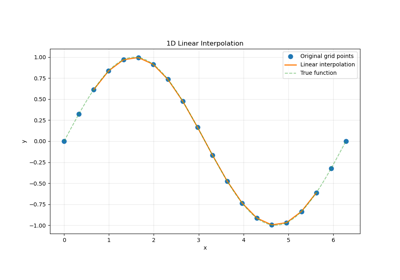
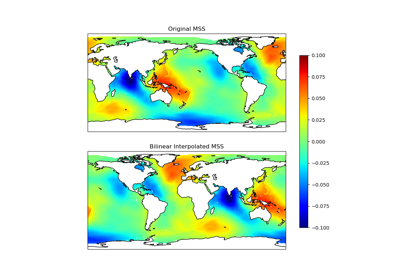
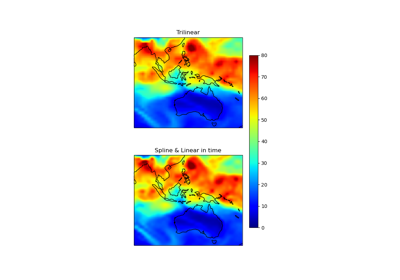
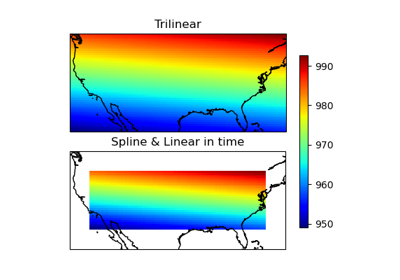
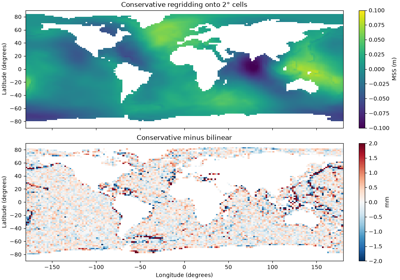
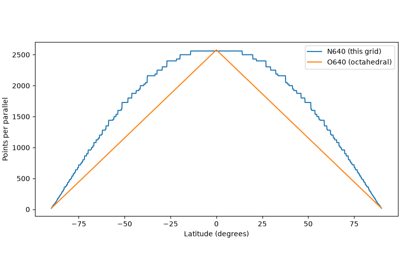
Interpolate gridded fields with the xarray accessor or with NumPy, from 1D to 4D, regrid them conservatively between rectilinear grids, read reduced Gaussian grids, and interpolate scattered observations with R*-trees.
Optimal Interpolation Examples#
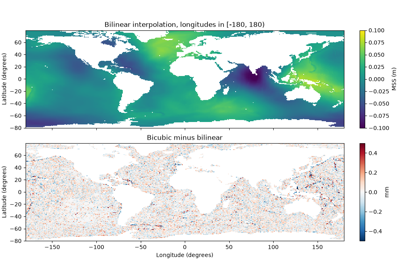
Explore pyinterp’s capabilities for optimal interpolation.
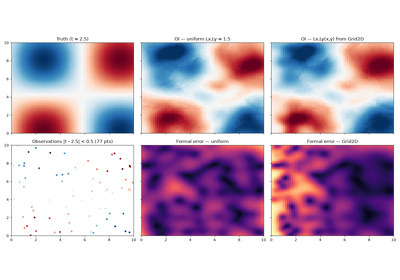
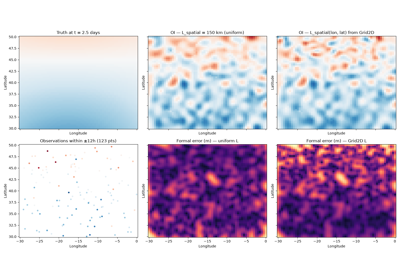
Optimal Interpolation (OI) — global mode (lon, lat, time)
Binning & Statistics#
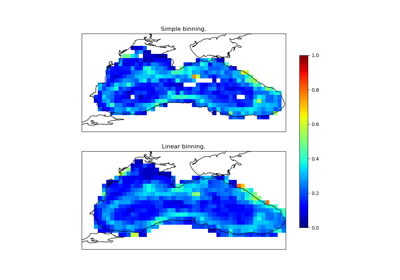
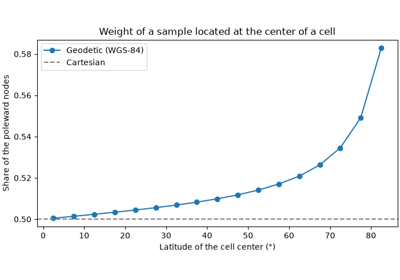
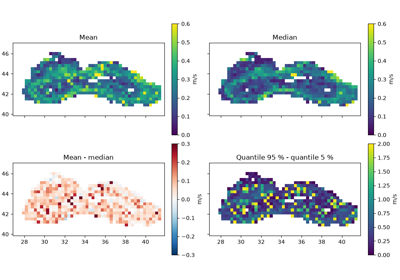
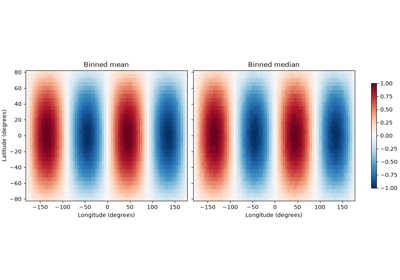
Learn how to bin scattered data on a grid, in a plane or on the sphere, and to compute descriptive statistics, quantiles and histograms, including on chunked arrays with Dask.

Geospatial & Geodetic Operations#
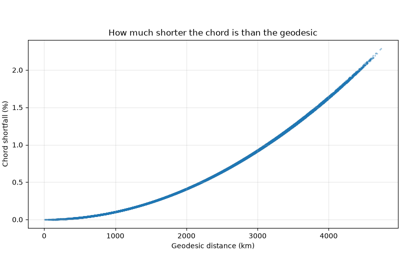
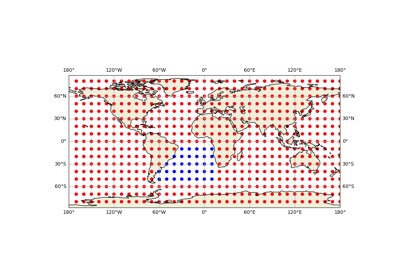
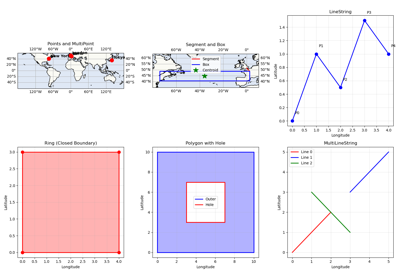
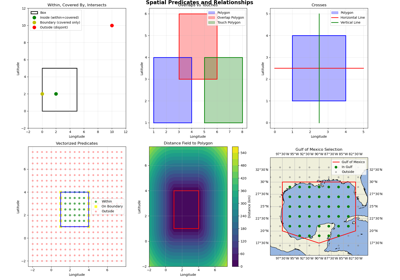
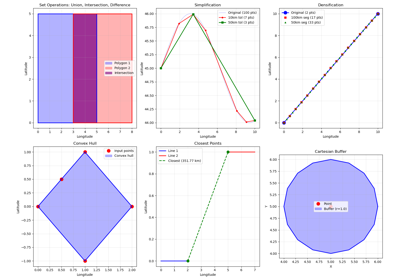
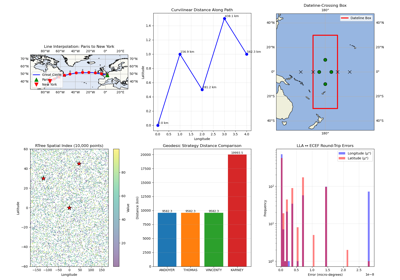
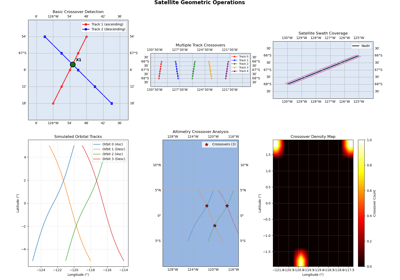
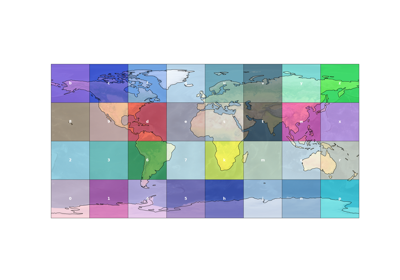
Starts with an overview of the geometry module, then details its primitives, spatial predicates and operations, and ends with geohash encoding.
Utilities & Date Handling#
Covers utility functions for date manipulation and handling undefined values in datasets.

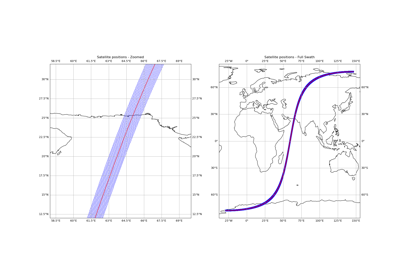
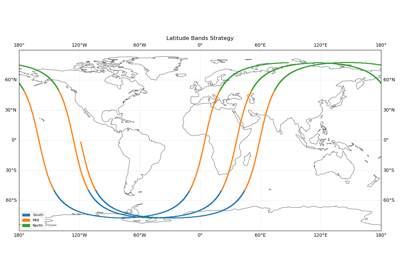
Orbit & Temporal Analysis#
Examples focused on orbit-related computations and temporal data analysis.